Why Do Malaysians Eat Nasi Lemak for Breakfast? The Story and a Halal Recipe
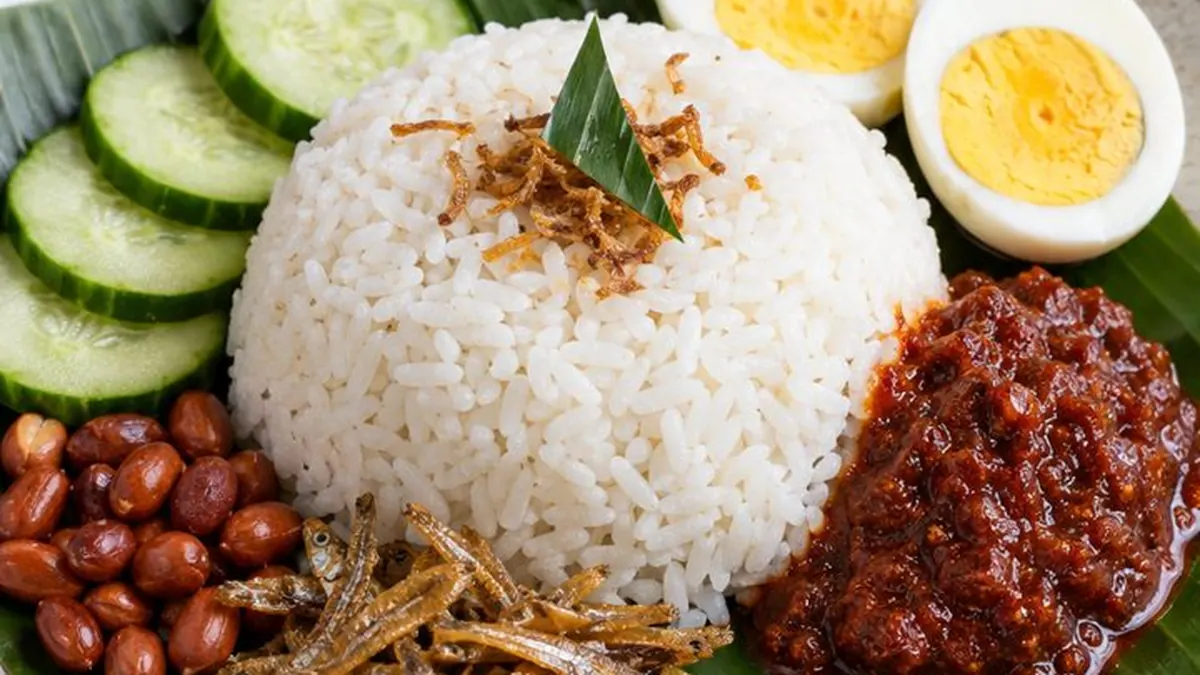
Nasi lemak is a plate that looks simple and tastes layered. Fragrant coconut rice sits beside a spoonful of spicy sambal, crunchy fried anchovies, roasted peanuts, slices of cucumber and a boiled or fried egg. It is often called the national dish of Malaysia, and it is also eaten in Singapore, Brunei, southern Thailand and parts of Indonesia. It is a regular in food trend lists because it is full of contrast: creamy, spicy, crunchy and fresh. Here is its story and an easy recipe.
Malaysia’s national dish
The BBC Travel feature on Malaysia’s national dish and the Michelin Guide’s article on nasi lemak both describe it as a breakfast staple eaten at roadside stalls, in cafes and at home. Vendors traditionally sold it in the morning, wrapped in banana leaf and paper, for a low price. Office workers, students and families all buy it. You will also see it at lunch and dinner now, often with fried chicken, beef rendang or sambal squid on the side.
What does lemak mean?
The word lemak in Malay refers to richness, the kind that comes from coconut cream. The rice is cooked in coconut milk, often with a knotted pandan leaf, a few slices of ginger or a bruised stalk of lemongrass. The result is soft, fragrant rice with a gentle sweetness. Many people say the dish is about balance: rich rice, hot sambal and crunchy toppings keep each other in check.
Where did it come from?
No one can name a single inventor. Several accounts say the dish grew out of Malay farming and fishing communities, where coconut and rice were common. Sources disagree on the timeline, and some trace mentions to the early twentieth century, though the dish is probably older. It is safest to say it has deep roots in Malay food culture and has been shaped by many cooks since.
The parts of the plate
Coconut rice. The base. Rinse jasmine rice, then cook with coconut milk, water, salt, pandan and ginger.
Sambal. A cooked chili paste, usually made with dried chilies, shallots, garlic and a little tamarind and sugar, fried until the oil separates. Cooks guard their sambal recipes carefully. Check any shrimp paste (belacan) and anchovy ingredients; both are seafood based and generally considered halal, but check packaged products for additives.
Anchovies and peanuts. Fried until crunchy, they add salt and texture.
Egg and cucumber. A hard boiled or fried egg and cool cucumber slices balance the heat.
Halal nasi lemak recipe
Serves 4. Time: 1 hour.
For the rice:
- 2 cups jasmine rice
- 1 cup thick coconut milk plus 1 cup water
- 1 pandan leaf, knotted
- 3 slices ginger
- 1/2 teaspoon salt
For the sambal:
- 10 dried red chilies, soaked and drained
- 4 shallots and 3 cloves garlic
- 1 teaspoon shrimp paste, optional
- 1 large onion, sliced
- 1 tablespoon tamarind pulp in 1/4 cup water
- 1 tablespoon sugar and salt
- 3 tablespoons oil
To serve: fried anchovies, roasted peanuts, 4 eggs, sliced cucumber.
Method:
- Rinse the rice until the water runs clear. Combine with coconut milk, water, pandan, ginger and salt. Cook in a rice cooker or covered pot until done. Rest 10 minutes.
- Blend the chilies, shallots, garlic and shrimp paste into a smooth paste.
- Fry the paste in oil over medium heat for 10 to 15 minutes, until it darkens and the oil separates. Add the onion, tamarind water, sugar and salt. Cook until thick.
- Boil or fry the eggs. Fry anchovies in hot oil until crisp, then add peanuts for 30 seconds.
- Serve the rice with a scoop of sambal, anchovies, peanuts, egg and cucumber.
Popular additions
Add fried chicken marinated in turmeric and lemongrass, or beef rendang. Both are common and both can be halal when you source halal meat.
Tips
Use fresh coconut milk if you can. Thick, full fat coconut milk gives the best flavor.
Cook sambal slowly. Raw, fast cooked chili paste tastes sharp and flat.
Fry the anchovies in small batches. Crowding makes them soggy.
Rest the rice. Letting it sit covered finishes the steam cooking.
The takeaway
Nasi lemak is a plate of everyday comfort with deep local roots. Making it takes time, but most steps can be done ahead, and the result is worth it.
Frequently asked questions
Can I use canned coconut milk? Yes. Shake the can well and use full fat milk for the best taste. Light coconut milk makes thin, less fragrant rice.
Do I need pandan? It adds a sweet grassy aroma, but you can leave it out if you cannot find it. Frozen pandan leaves are sold in many Asian shops.
Is the sambal very hot? It can be. Reduce the dried chilies or remove their seeds, and add a little more sugar and tamarind for balance.
What else goes with it? Fried chicken, beef rendang, sambal squid, fried tempeh or a spoon of acar, a pickled vegetable relish.
Can I make it ahead? The sambal keeps for a week in the fridge. Cook the rice and fry the toppings fresh for the best texture.
Is it a breakfast food only? It started as a breakfast but is now eaten at any meal, and often as a late night meal at stalls.