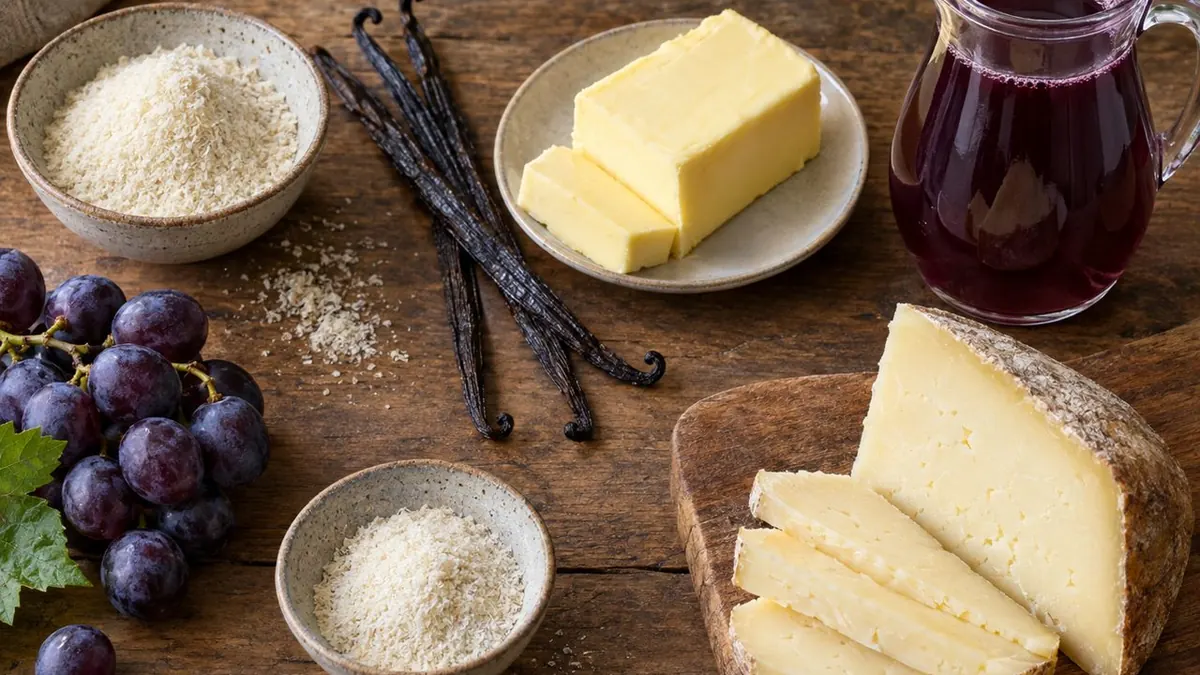
Is Your Vanilla Halal? Hidden Ingredients: Gelatin, Rennet and Smart Swaps
Why now: Rising Trends shows interest in baking and dessert trends in November 2026, such as spiced apple pie and oreo cheesecake, and many recipes call for ingredients that need checking in a halal kitchen.
A recipe can look halal and still call for one ingredient that is not suitable for some households. The common ones are alcohol based flavorings such as vanilla extract, gelatin from animal sources, cheese made with animal rennet, lard in pastry and wine in sauces. This guide lists each one, why it matters and what to use instead. Views on some points, such as vanilla extract, differ between schools of thought, so follow the guidance you trust.
Vanilla extract
Most vanilla extract is made by soaking vanilla beans in alcohol. Some people accept it because the alcohol is a tiny amount that is mostly cooked off, while others avoid it. Alternatives: vanilla powder, vanilla bean paste without alcohol, a whole vanilla bean split and scraped, or alcohol free vanilla flavoring sold in many shops. Use 1 teaspoon of paste or powder for 1 teaspoon of extract.
Gelatin
Gelatin is made from animal collagen, and it is often from pork or from animals that were not slaughtered in a halal way. It appears in marshmallows, gummy sweets, jellies, some yogurts and mousses. Alternatives: agar agar, made from seaweed, which sets firmly, and pectin for jams. Halal certified beef gelatin is also sold. Use about 1 teaspoon of agar powder for 500 ml of liquid, and bring it to a boil to activate it.
Cheese and rennet
Traditional cheese is made with rennet from calves’ stomachs. Halal friendly cheeses are made with microbial rennet or plant based coagulants. Look for labels saying vegetarian or microbial rennet. Many mozzarella, cheddar and cream cheese products use microbial rennet. Parmesan style cheeses made with animal rennet are common, and so look for vegetarian alternatives.
Lard and shortening
Some pie crusts, tortillas and pastries use lard. Use butter, vegetable shortening or oil instead. Check shop bought pastry, such as puff pastry, for animal fat.
Wine and cooking alcohol
Recipes often ask for wine, beer, sherry or brandy. Use grape juice with a little vinegar, stock with lemon juice, pomegranate juice or apple juice depending on the dish. For beef stew, use stock with a spoon of tomato paste and a splash of vinegar. For desserts, use fruit juice or tea.
Worcestershire sauce and soy sauce
Some contain alcohol or anchovies. Look for certified halal versions, or use soy sauce with a splash of lemon and a pinch of sugar. Some soy sauces contain trace alcohol from fermentation.
Mirin and rice wine
These are used in Japanese cooking. Replace with a mix of rice vinegar, a little sugar and water, or with apple juice.
Food coloring and sprinkles
Some red colors, such as carmine, come from insects, and some sprinkles contain shellac or gelatin. Choose plant based colors and check labels.
Stock cubes and broths
Check for animal fat or flavorings. Look for halal certified cubes or make your own stock from halal bones and vegetables.
Reading labels
Look at the ingredients list and any halal certification mark. Be aware of E numbers that may be animal derived, and ask the manufacturer if in doubt. Terms such as natural flavors may include alcohol. When unsure, choose a certified product or make it yourself.
An example: halal tiramisu style dessert
Replace the coffee liqueur with strong coffee and a spoon of vanilla paste, and use halal gelatin free mascarpone. Layer with sponge fingers and dust with cocoa. Chill for at least 6 hours.
Common mistakes
Assuming that a product is fine because it looks plant based. Overlooking sauces and stock. Forgetting that restaurant dishes may include wine or lard.
Frequently asked questions
Is vanilla extract allowed? Scholars differ. Alcohol free options avoid the question.
Is agar a good replacement for gelatin? Yes, though it sets firmer and does not melt in the mouth as gelatin does.
Can I ask a shop about ingredients? Yes. Many produce lists on their websites.
Baking swaps
For buttermilk, mix 1 cup of milk with 1 tablespoon of lemon juice and rest 5 minutes. For egg in baking, use 1/4 cup of applesauce or a mashed banana, or a spoon of ground flax with 3 spoons of water. For cream cheese frosting, check the label for rennet. For chocolate, choose bars with no alcohol based flavoring. For almond or lemon extract, check that they are alcohol free, or use zest instead.
Pantry stock list
Alcohol free vanilla, agar agar, halal certified gelatin, microbial rennet cheese, butter and vegetable oil, grape or pomegranate juice, vinegar, certified stock cubes and plant based food colors. With these on the shelf, you can adapt nearly any recipe.
Eating out and shopping
Ask about ingredients in sauces and desserts when eating out. At the shop, look for halal certification symbols. Many supermarkets now have a halal section with meat, gelatin free sweets and ready meals. Keep a short list on your phone of items you always check.
The takeaway
Most substitutions are simple. Learn the hidden ingredients and keep a few alternatives in the pantry, and you can cook almost any recipe.