What Is Umami? How to Make Every Halal Dish Taste Richer
Why now: “Umami flavor” is a rising food search of 2026 on Rising Trends, at about 22,200 searches and roughly 71% year over year growth.
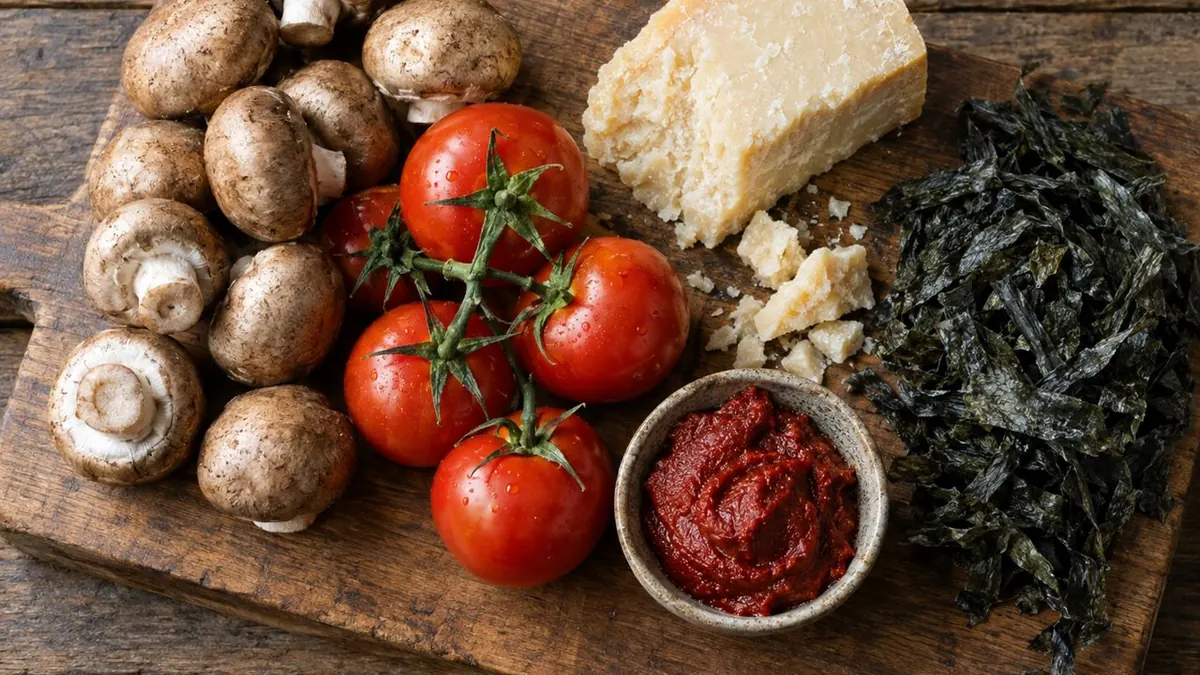
Umami is often called the fifth taste, along with sweet, sour, salty and bitter. It describes a deep, savory, mouth filling flavor that you notice in broths, ripe tomatoes, mushrooms, aged cheese and cooked meat. Learning how to build umami is one of the best ways to make home cooking taste richer, especially when you cook with less meat or less salt. This guide explains what umami is and how to use it in a halal kitchen.
Where the word comes from
The word umami comes from Japanese and is usually translated as a pleasant savory taste. It was named in the early twentieth century by Japanese chemist Kikunae Ikeda, who found that the savory taste in kombu seaweed broth came from glutamate. Today, scientists recognize that taste receptors on the tongue respond to glutamate and to certain compounds called nucleotides, such as inosinate in meat and guanylate in dried mushrooms. Combining these gives a stronger effect than either alone.
Natural sources of umami
Tomatoes. Ripe, cooked and especially sun dried tomatoes or tomato paste are rich in glutamate.
Mushrooms. Dried shiitake and porcini are strong. Fresh mushrooms add savoriness when browned.
Aged cheese. Parmesan style cheeses are high in umami. If you need rennet free options, check the label.
Meat and bones. Browned halal beef, lamb and chicken, and the broths from their bones.
Fish. Anchovies, sardines, bonito flakes and fish sauce.
Fermented foods. Soy sauce, miso, tamari, fermented bean pastes and aged vinegars.
Seaweed. Kombu and nori.
Vegetables. Onions, garlic, carrots, peas, corn, spinach and potatoes add savoriness when cooked.
Halal notes
Some umami products need checking. Many soy sauces and mirin contain alcohol from fermentation or added ethanol, and some miso pastes do too. Look for products labeled alcohol free or halal certified. Worcestershire sauce often has anchovies and may contain vinegar made from alcohol, so check labels. Some cheeses use animal rennet. Fish sauce is generally made from fish and salt, but check the ingredient list.
Techniques that build umami
Brown your food. Searing meat and browning onions and mushrooms creates new savory flavors through the Maillard reaction.
Cook tomato paste. Fry tomato paste in oil for a few minutes until it darkens.
Simmer slowly. Stews and broths develop depth over time.
Layer ingredients. Combine several umami sources, such as tomato with mushrooms and meat.
Dry and concentrate. Dried mushrooms and sun dried tomatoes are concentrated flavor.
Easy umami boosters to try
Mushroom powder. Grind dried mushrooms into powder and add a teaspoon to soups, sauces and rubs.
Tomato and anchovy paste. A tiny amount of mashed anchovy melts into a sauce and adds depth without tasting fishy.
Roasted tomato sauce. Roast tomatoes until caramelized before blending.
Umami butter. Mix softened butter with tomato paste, garlic and a pinch of ground dried mushroom, then melt onto steak or vegetables.
Savory oats or rice. Cook with stock and finish with a spoon of tomato paste.
A simple umami rich recipe: mushroom and beef ragu
Brown 500 g halal minced beef with a diced onion. Add 250 g chopped mushrooms and cook until golden. Stir in 2 tablespoons tomato paste and 3 cloves of garlic. Add a can of tomatoes, 1 cup of stock and a teaspoon of dried oregano. Simmer for 40 minutes. Serve over pasta or polenta.
Frequently asked questions
Is MSG the same as umami? MSG is the sodium salt of glutamate, which gives umami taste. It is used as an additive. Major health organizations consider it safe in normal amounts, though some people report sensitivity. If you avoid it, you can build umami through whole foods.
Can I reduce salt using umami? Yes. Umami rich foods can make dishes taste satisfying with less salt.
Is it only in meat? No. Mushrooms, tomatoes, seaweed and fermented foods work in vegetarian cooking.
Cooking with umami in a halal kitchen
Brown meat in a hot pan and do not crowd it, so the surface develops the deep taste that comes from browning. Cook tomato paste in oil for a minute or two until it darkens. Dry mushrooms are strong sources, and the soaking water makes a good broth. Use aged cheese on top of pasta and soups. Fermented ingredients such as miso should be checked for alcohol and additives if you need to.
A quick umami boost for weeknight meals
Add a spoon of tomato paste and a splash of soy sauce to a beef stew. Stir a spoon of miso into a vegetable soup. Top roasted vegetables with grated hard cheese. Sprinkle dried mushroom powder into sauces. A few small additions change a plain dish into a deeply savory one, without adding much salt.
The takeaway
Umami is a useful idea for home cooks. Brown well, simmer slowly and combine savory ingredients, and your meals will taste fuller.